September 2023
Nougat 15

Goooood morniiiiiiiiiiing!
Rosh Hashanah festivities begin this evening and continue over the weekend. In case you are unfamiliar with this holiday, it’s a high holy day among Jewish holy days. Also referred to as Yom Teruah, it’s mentioned in the Hebrew Scripture (see Leviticus 23). During the festivities, the Jews celebrate the creation of the the world, including Adam and Eve’s birthdays and usher in the season of repentance culminating in Yom Kippur. Among the Rosh Hashanah festivities is the blowing of the shofar, the Jewish trumpet, which inspired me to think of another trumpet, as presented in today’s Holy Nougat
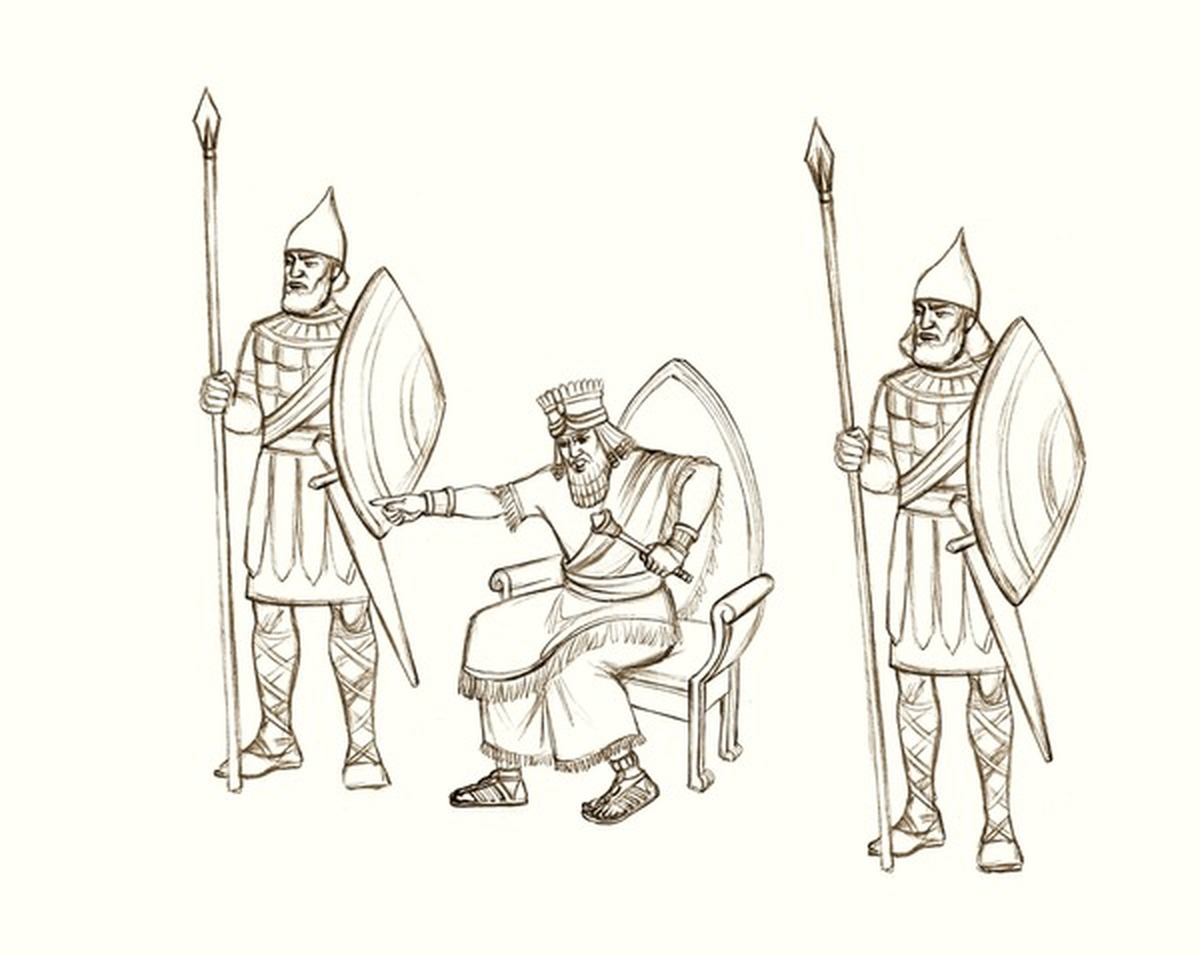
“Then the sign of the Human One will appear in the sky… He will send his angels with the sound of a great trumpet, and they will gather his chosen ones from the four corners of the earth, from one end of the sky to the other.” Matthew 24:30-31 CEB
Heaven’s New Year
When you think you’ve figured the Bible out … you see new connections. For in Leviticus 23, we see God’s command to the Children of Israel,
“The LORD said to Moses: Say to the Israelites: On the first day of the seventh month, you will have a special rest, a holy occasion marked by a trumpet signal. You must not do any job-related work, and you must offer a food gift to the LORD.” Leviticus 23:23-25 CEB
Our Nougat tells us that Christ’s return will be marked by the sound of the trumpet. His return also has the potential to be a season of repentance (see yesterday’s nougat) and will definitely offer Sabbath rest to those called by His name.
You see siblings, God’s neither incidental nor accidental. An invitation to observe the new year during the 7th month of the Jewish year invites intentionality, fosters reflection and kindles hope. It’s worth noting that the sounds (voices) produced by the trumpet is Trinitarian – a long blast ‘tekiah’, followed by three shorter blasts ‘shevarim’ and then nine (or more) short staccato type blasts ‘teruah’. I can’t presume to say which ‘voice’ represents which Person of the Trinity, but I don’t see this as accidental. In the blowing of the trumpet each year (100 times when all is done) and at Christ’s return, the presence of our Triune God is tangible. It is also believed that the blowing of the trumpet reestablishes the covenantal acceptance of God as King of all Creation, God’s grace on the Children of Israel and God’s salvific work over their lives (see Exodus 19:1-6. These precede God’s issuance of the Ten Commandments). Is not Christ’s return the fulfillment of the Covenant?
We also recognize that many people see the number seven as God’s symbol of completion. Rosh Hashanah is celebrated on the seventh month of the year, not in Nisin. As the head of the year (literal translation), Rosh Hashanah could then be the sign of the completion of this era prior to eternity. So while Jesus may not literally return during the Jewish seventh month, His return will be equally significant, being its own Head of Year. Far fetched, you say – maybe not.
At that precious Rosh Hashanah, a time of rest is offered to Jesus’ “chosen ones from the four corners of the earth, from one end of the sky to the other”. The question is – will we be among those Chosen? May this Rosh Hashanah pull us into a time of anticipatory reflection and repentance.
Shanah Tovah everyone (Have a good year in Christ)!
—
May all we seek be found in Christ