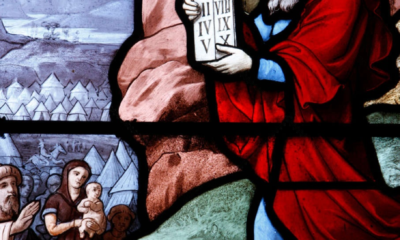
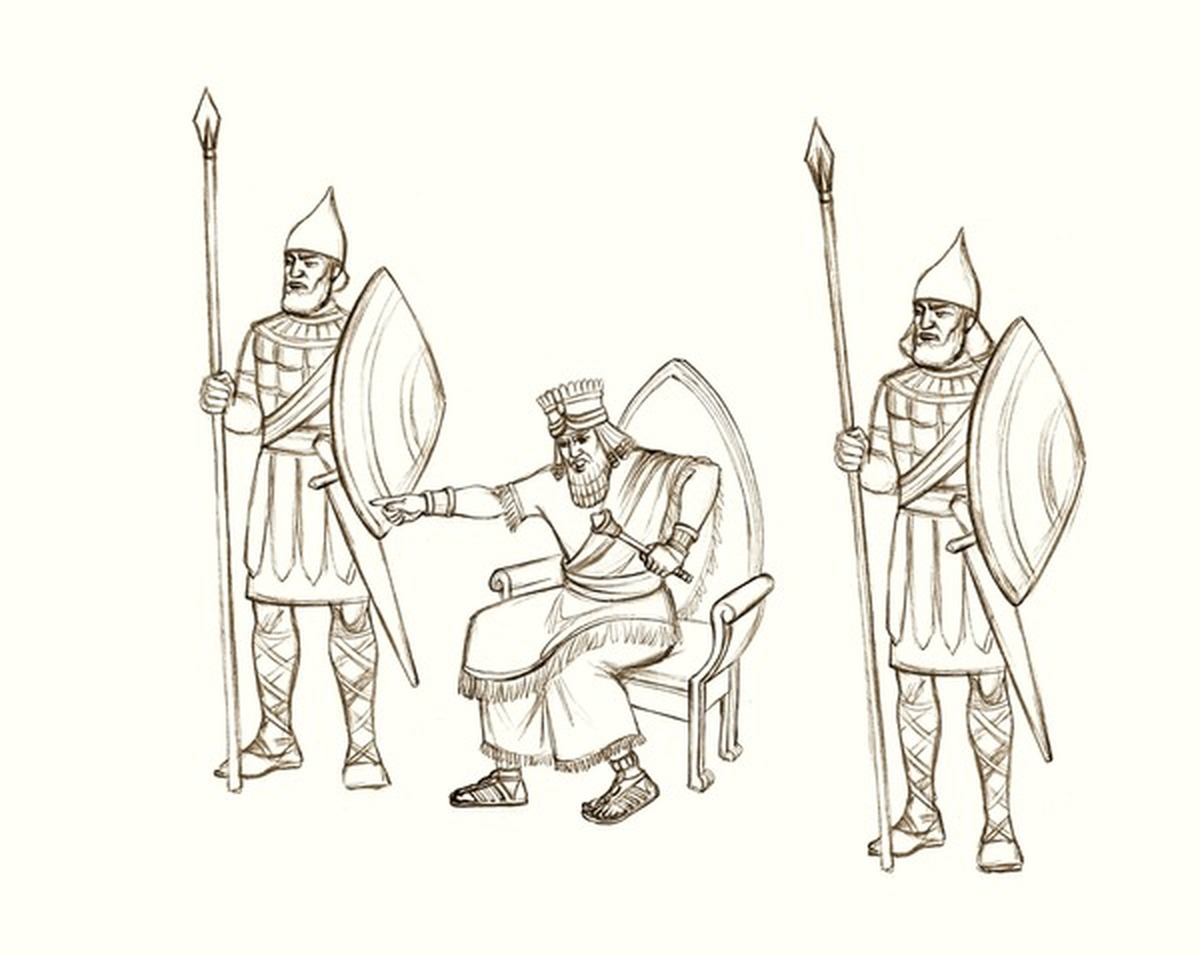
Not only does Exodus 15 recount YHWH’s victory over pharaoh, who was viewed by some as a god, but it also glorifies YHWH. Like many psalms, this is both glorification of YHWH, as well as communication to YHWH. Can you imagine what would happen if we adopted such a formula? Today’s Holy Nougat is both a question and an act of praise to YHWH about YHWH’s goodness.
Exodus 15:11 AFV
[11] Who is like You, O Lord, among the gods? Who is like You, glorious in holiness, fearful in praises, doing wonders?
No Comparison
Most of us are aware of God’s unique attributes: God’s omnipotence, omnipresence, and omniscience. For the most part, we take them for granted, or we question those traits when God doesn’t seem to intervene in our lives as we believe God should. Thankfully, God’s ego isn’t as fragile as some of ours, or we’d all have perished already. In our Nougat, we find the Children of Israel discovering yet another facet of God’s Godness. This time, the facts are questions posed to God, as if in a desire to learn even more, yet stating that God is incomparable.
Self-Check
How often do we take the time to plumb the depths of God’s attributes and character?
Digging Deeper
We find Moses and the Children of Israel asking God some very curious questions:
Who is like YHWH, among the gods?
Who is like YHWH, glorious in holiness,
Who is like YHWH, fearful in praises,
Who is like YHWH, doing wonders?
Had this Nougat been located in the Book of Job, we might have expected to hear God’s answer. But, although directed at YHWH, this praise song of questions is also about YHWH, because they are rhetorical.
There’s an African praise song that may have been a response to our Nougat. It asserts:
‘There’s no one, there’s no one like Jesus
I walk … here, there,
I search … here, there,
I turn around here and there
There’s no one … like Him’.
In my experience, there is none like YHWH among all the gods. In my distress, when I call out, YHWH responds. Through Y’shua we have direct access to YHWH, as no other god has done. In the divine counsel of the gods in Job 1, it is YHWH Whom Satan approached, it’s YHWH Who granted permission for Job’s testing.
That sets YHWH apart, and we refer to it as holiness. God’s glory, revealed to us by God’s Spirit through Y’shua’s salvific work – Death, Resurrection, and Ascension – is neither common nor ordinary. That glory realised through Christ’s selflessness, resulted in Y’shua being the Name, at which knees bow, and tongues confess that above all, Y’shua is the Greatest One, Lord among gods, set apart, and forever glorious.
Interestingly, when we get a glimpse of God’s glory, we are moved to praise. The Children of Israel didn’t miss a beat after they were rescued from their pursuers. They burst into praise.
But, we note that
In seeing God’s mighty acts on their behalf, they experienced an element of reverential (worshipful) fear. They realised that in the ‘battle of gods’ between YHWH and the pharaoh, there was always the same outcome. The match wasn’t rigged. But God is Lord among God’s, mighty in battle. YHWH might not always use force in all our circumstances, but YHWH is most powerful, and to be praised with reverence above anything else.
I challenge us to try and determine whether it is possible to avoid seeing God’s wondrous acts in and around our lives. Creation is a testimony to the wondrous things God has done. As humans we’ve taken much for granted, destroying that which we can not accurately recreate. And sometimes, in our lust for greatness, that creativity lulls us into a false sense that our magnificent towers are the ultimate acts of greatness. Yet, as wondrous as these Towers of Babel are, they pale in comparison to God’s creation.
So, I invite us to consider, ‘Who, or what, is even remotely equal to our God?’.
Points to Ponder
What aspects of Creation help us to fully appreciate the wonder of God, and lead us to reverent praise? Let’s take some time to appreciate these and praise God today.
—
May all we seek be found in Christ