April 2023
Nougat 4

I’ve heard of scapegoats, but have you ever heard of scape-trees? If not, consider today’s Holy Nougat
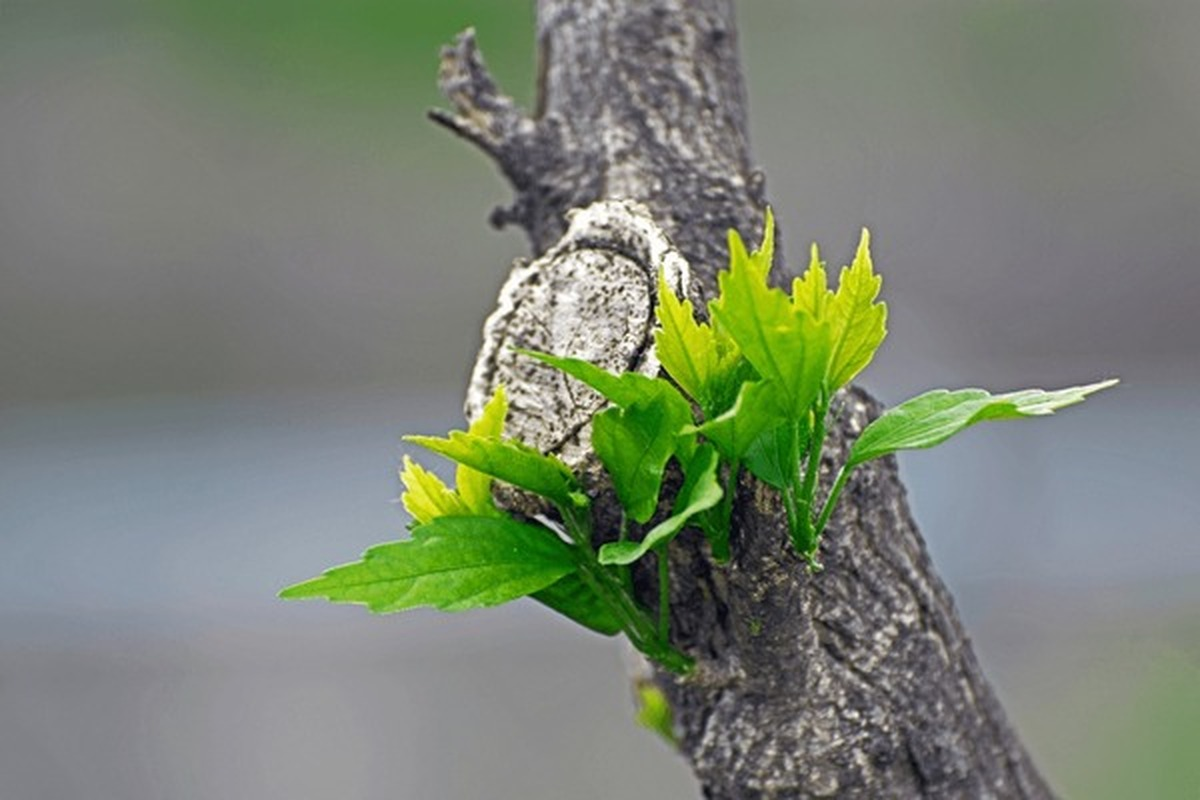
“He noticed a fig tree in full leaf a little way off, so he went over to see if he could find any figs. But there were only leaves because it was too early in the season for fruit.” Mark 11:13 NLT
So, in biblical tradition, a scapegoat was a specially selected goat on whom the community’s sin was imputed annually. It was then released into the wilderness (see Leviticus 16:4-10). Thus, the act of scapegoating includes blaming someone for another person’s actions.
It is argued that the fig tree was used as a symbol for leadership, including the religious leaders of Jesus’ day. If we concur with that theory, then we can see Jesus cursing the fig tree as an indictment on the leadership of His day.
For those of us who agree that the fig tree was cursed for its inability to produce fruits as a metaphor/substitute for the religious leaders, we also hear that they were practicing false advertising. The dress suggested piety, but it ended there. Matthew 23 is particularly revelatory about Jesus’ and the religious right – He called them ‘dressed up tombs’ (see verses 23-27), and they were always trying to undermine Him. In short, they had exceptionally divergent religious and political views. Additionally, Luke 19:41-42 presents Jesus weeping for Jerusalem shortly after His grand coronation there.
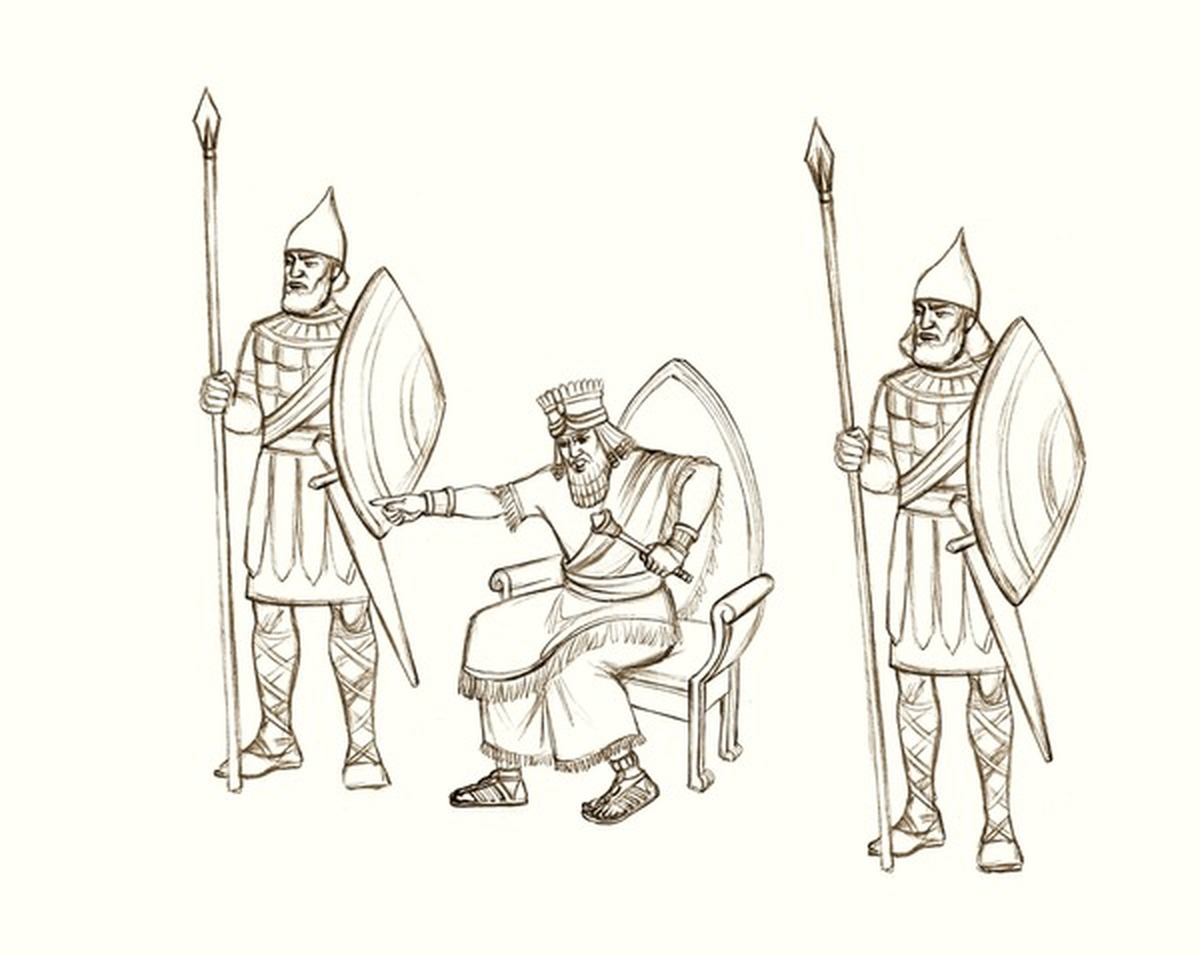
We also know that just as He raised others and Himself from death, Jesus could have opted to take the life of His enemies or cursed them and the future generations. It would not have been strange, cursing of enemies was par for the course in those days and even YHWH had cursed a few of Israel’s enemies in the First Testament.
But, Jesus’ paradigm for living does not now (nor did it then) accommodate such retaliatory actions. Moreover, Mark places this pericope in the context of Jesus’ coronation. We can even hear echoes of Ezekiel’s warning to the shepherds who feast on sheep, rather than feeding the sheep (see chapter 34), for it was God Who had a writ against them.
Rather than ‘curse’ the teachers of the Law and the religious right, Jesus seems to impute His ‘curse’ on the fig tree. Following the trajectory of the scapegoat principle, we see Jesus using the fig tree also as a type for His own crucifixion (see Matthew 20:28). For just as He placed the religious right’s barrenness onto the fig tree, so He placed our sins on the cross. I think those trees bore a lot!
So no, there’s no real ‘scape-tree’, but you might agree that those trees bore curses from the Garden (of Eden) to the Roadside (towards Bethany) to the Hill (of Calvary). Hallelujah! Jesus bore our shame and cursed the tree!
—
May all we seek be found in Christ