Having instructed the righteous to offer a praise-song to God, the psalmist left nothing to chance. The psalmist carefully outlines what that meant in practice. In Today’s Holy Nougat, we will explore the how of worship.
Psalms 33:2-3 NIV
[2] Praise the Lord with the harp; make music to him on the ten-stringed lyre.
[3] Sing to him a new song; play skillfully, and shout for joy.
With Instruments of Joy
Singing isn’t always accompanied by instrumentation. Quite often, the melodies are beautiful, one only has to listen to Adventist choirs to realize that a capella is is own art form (when I grow up, I want to sing like them). But some of us need musical accompaniment to help tune our voices. Otherwise we’re off-key, or worse yet, we’re fit for the shower only.
Yet we know that God enjoys music. There’s music and rhythm embedded in all creation. Animals, plants, even some inanimate objects naturally have music embedded in their make-up. Perhaps music is one of God’s love languages, which would explain why Lucifer – believed to have been the chief musician in Heaven – is credited with using music to lure us away from God.
Point to Ponder
Can music change our mindsets? How so?
Application
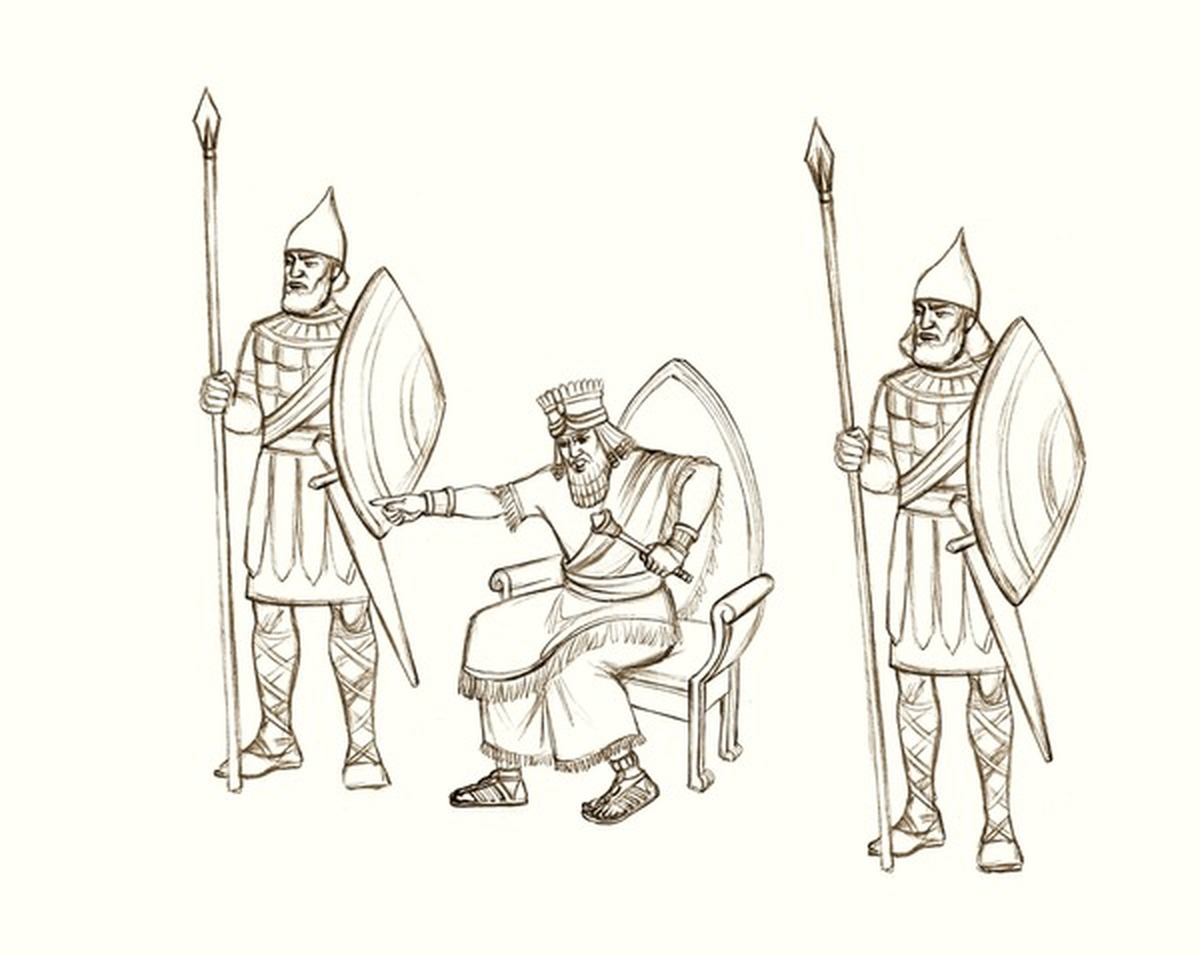
In our Nougat, the psalmist mentions two specific instruments, the harp and ten-stringed lyre. From what I have gathered, there were other stringed instruments used for music in those times, but the 10-stringed lyre seems to have had special spiritual significance. Unfortunately, these are not as popular in our contexts today. But that does not mean we cannot praise God with other instruments.
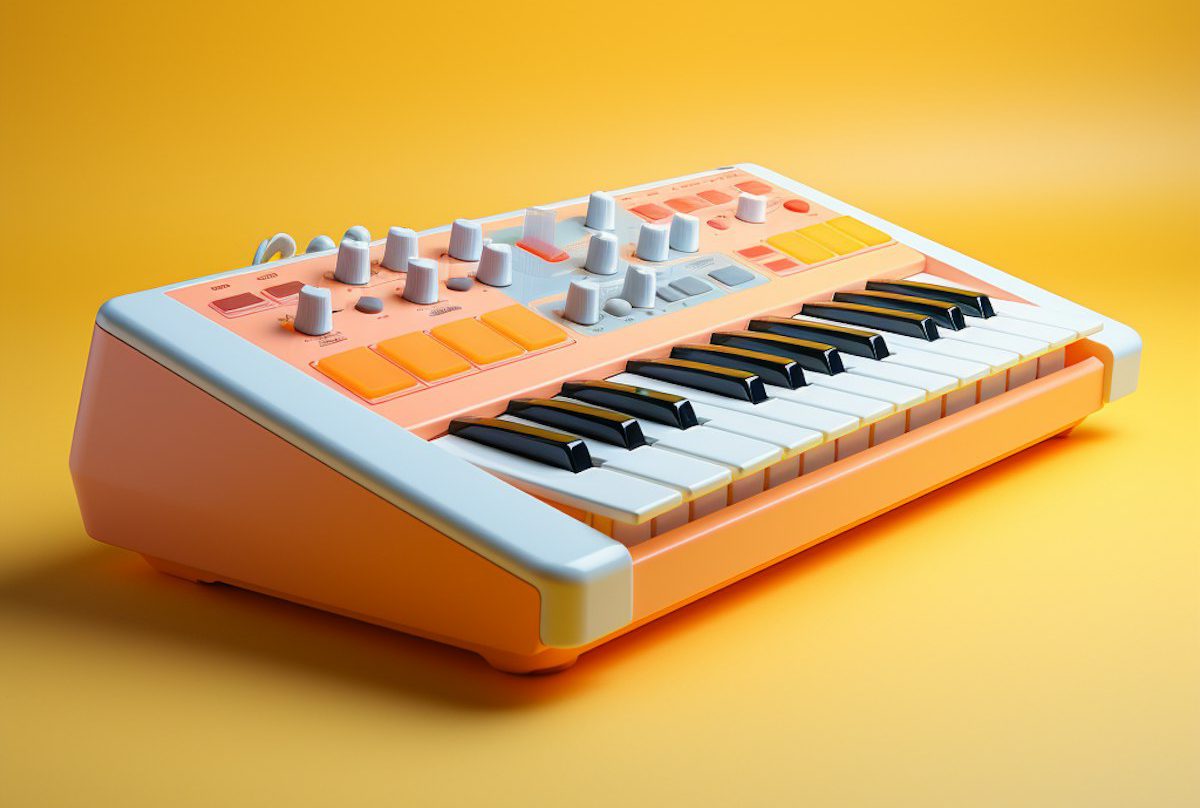
Over time, there have been other instruments associated with worship. What has become important is the act of worship with music, with less emphasis on the type of instrument. For many of us, particularly those in the African diaspora, this is a contentious issue, as drums were considered pagan instruments. Hence, the djembe and other African drums were frowned on in some worship spaces.
To counter some of those concerns, we can opt to consecrate worship instruments, dedicating them solely for worshipping God. In contexts where musicians are hired along with their instruments for the time of worship, this may not be as feasible. It may be that there is need to discern what is necessary for our context, and act accordingly.
We note that the psalmist invites the righteous to sing a new song, play skilfully, and sing joyfully. Could it be that God is less concerned about the type of musical instrument used? It seems to me that the psalmist is saying that God is interested in the heart posture of the worshipper.
Therefore, new songs would refer to finding new ways and reasons for praise; skillful playing suggests that we offer our best service to the music ministry; and singing joyfully invites us to pour our reverence and love for God into our heart-song. As we make time for worship this weekend, I pray that God will be pleased with our praise.