May 2026
Nougat 17

After the festivities have concluded, people return to their homes. If it was ‘good’, people speak of it for some time and look forward to the next. According to Today’s Holy Nougat , that was the case with the temple dedication. As we read however, may we be challenged to think about the ‘what next’.
1 Kings 8:66 CEVDCI
[66] Then on the eighth day, he sent everyone home. They said goodbye and left, very happy, because of all the good things the Lord had done for his servant David and his people Israel.
Liturgy After the Liturgy
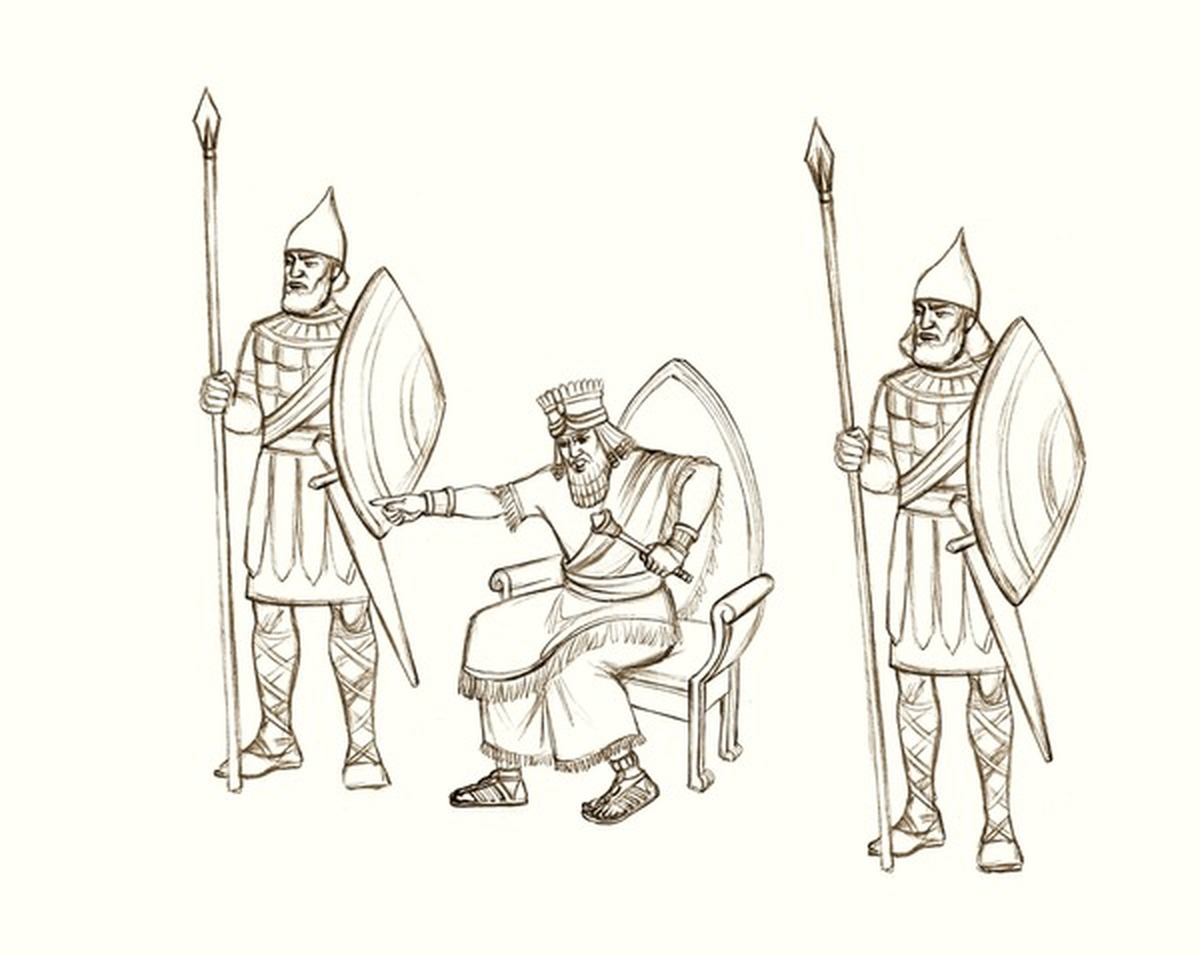
We are told that 22,000 cattle and 120,000 sheep and goats were sacrificed for the Temple dedication. Additionally, Solomon consecrated the middle part of the Temple with burnt offerings, grain offerings and the fat of the fellowship offerings. Solomon seemed to have spared no expense, so much so that they had to use the courtyard, as the bronze altar could not contain all the sacrifices (see 1 Kings 8:60-64). That gives us a sense of the grandiose nature of the feast of dedication. It is no wonder that the period left feeling fulfilled and happy.
Self-Check
What does our own praise look like, do we cut corners or hold back in respect of what God is due?
Digging Deeper
The people returned to their homes from the Temple dedication in great spirits. They spoke joyfully about God’s goodness to David and to the people of Israel. But, as this was not entirely the people’s story, we don’t know what they did next. It is for us to decide. More importantly, as we consider Y’shua’s sacrificing himself to dedicate us as living temples, we need to ask ourselves, what will we do next?
Liturgy – derived from the Greek leiturgia – speaks to the work of the people, or public service. In Romans 12:1-3, Paul encourages the Roman church to offer themselves to God as a form of public service. He proposed that it was the least one could offer to God. One could say therefore, that what we refer to as liturgy (i.e. the songs, prayers and preaching) is a corporate expression of our reasonable service to God. But corporate worship cannot be our only act of worship. There must be an aspect of our worship lives that is personal – between us and God only. That too is liturgy.
We also must go forth joyously, telling everyone about our Temple dedication experience. Not only do we offer ourselves to God, but we are also responding to Christ’s sacrifice in the courtyard of Calvary. No one person’s heart nor one nation was a big enough altar on which to contain His sacrifice.
But there’s a sense in which just rejoicing isn’t enough. The liturgy after the liturgy invites us to take even more concrete action where our lifestyle is that sacrifice. It is about the time we spend with God in the temple of our hearts and in corporate worship. It involves how we treat our neighbours, especially those who get on our nerves. It includes our willingness to defend the poor and needy, the widow and the orphan, and all those to whom justice is denied. It demands us living with integrity, fuelled by God’s Spirit, in a manner that invites others to do likewise. It’s our words, our actions, our thoughts being subject to God’s authority at all times. Then and only then can we confidently say we have truly celebrated the dedication of God’s temple in our hearts.
Point to Ponder
What else would we include as examples of the Liturgy after the Liturgy, our reasonable service to God?
—
May all we seek be found in Christ