In defining righteousness recently, I noted that it relates to justice and human rights. While that is true, let’s unpack the definition a bit more with a biblical explanation from Today’s Holy Nougat.
Isaiah 11:3-4 CEVDCI
[3] His greatest joy will be to obey the Lord. This king won’t judge by appearances or listen to rumors. [4] The poor and the needy will be treated with fairness and with justice. His word will be law everywhere in the land, and criminals will be put to death.
[_Thanks to the Contemporary English Version Interconfessional Edition, we have an explanation of Y’shua’s work that does not include righteousness in the explanation. This is best found in the YouVersion Bible app. Details at the end_.]
Impartial Judgement
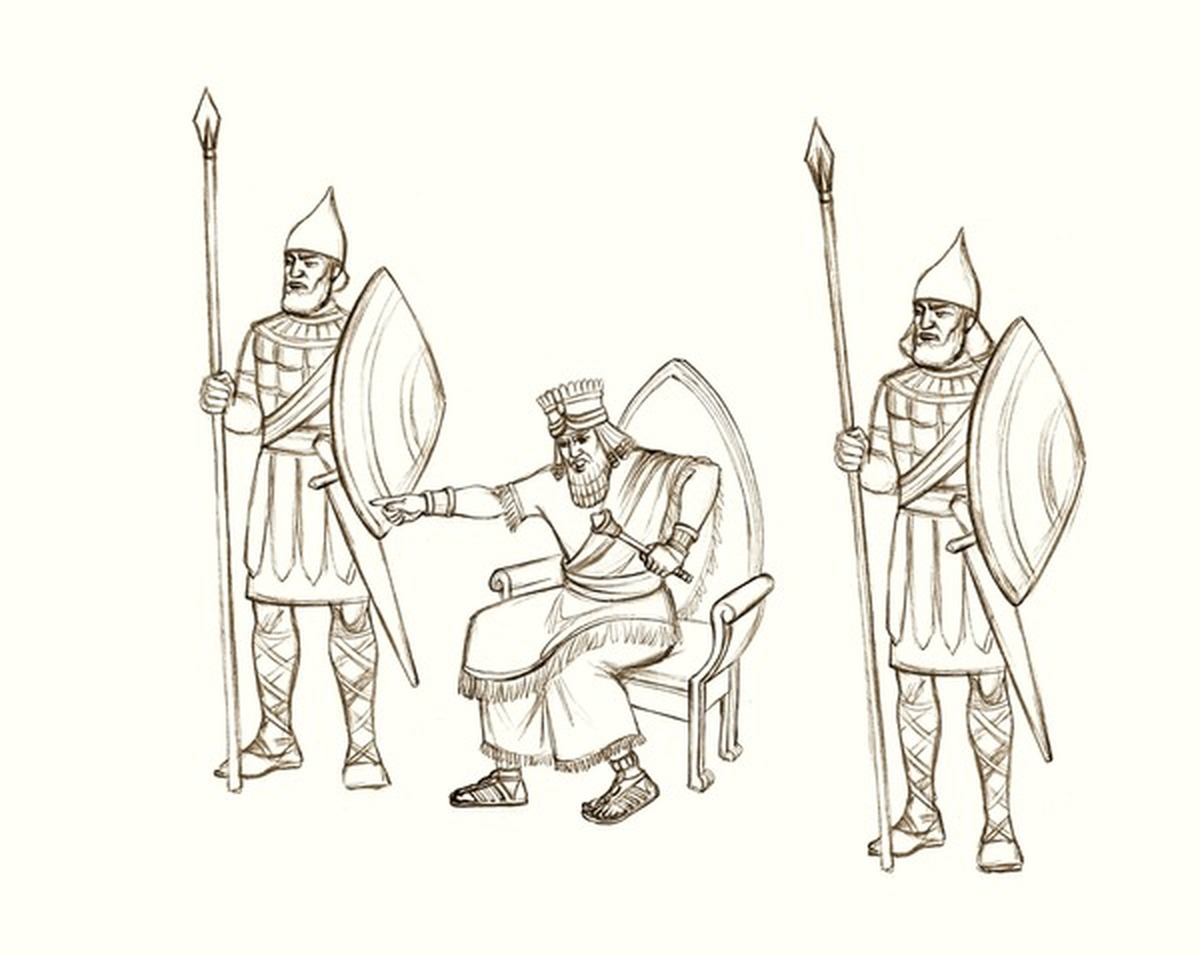
Our Nougat indicates that Jesse’s righteous descendant was known for justice, fairness and God’s law. This suggests that it was not the norm in that era. When we consider that this prophetic word was written for Jewish exiles, it makes sense. Then, citizens of occupied territories did not always enjoy all the rights of ‘normal’ citizens. (Unfortunately, such discrimination continues in many occupied territories today). Not only was justice skewed in the time of the prophecy but 1 Kings 12 tells us that Solomon and Rehoboam wrre unjust and unfair in their treatment of their citizenry. The Righteous Branch was different.
Point to Ponder
What does the Righteous Branch of Jesse lol like in action? Why?
Application
Siblings, we must always remember that God’s chosen saviour would be one who was more than simply a man after God’s heart. David, a mam after God’s heart was still very human, and born sinful. Y’shua was not. He was God become human. That divine element is distinctive.
The four Gospels present pictures of Y’shua as one who lived among the common people, who worked and witnessed among them, and whose message offered a new day for the oppressed. His Luke 4 mission statement (rooted in the prophetic words of Isaiah 61) is a proclamation of one for whom social justice is a present reality, and not a political gimmick. Unlike the average ruler, Jesus neither had elites nor thugs as His advisors or courtiers. His core disciples were a mixed group of poor and working class people who worked hard to earn their daily bread. They were ordinary people like you and me.
Matthew 21 presents an enraged Y’shua, chasing money lenders from the temple. Mark 1 presents Jesus healing lepers as one of the first acts of ministry, and in chapter 12 speaks to His compassion. Both Luke and John present Jesus’ interactions with women, safe-guarding their justice and agency, and offering them the opportunity to tell their truth, rather than be swayed by others reports.
These examples confirm that Isaiah’s prophecy wasn’t mere rhetoric. He offered us a true vision of impartial leadership. Y’shua’s impartiality is ingrained in the divine blueprint for righteousness, it isn’t mere talk. Hence we hear of God’s preferential option for the poor. That is a wholly supernatural picture of leadership, contrary to current typical political models we see in our time.
The only discordant note is Y’shua’s death … which offers repentance for those who fail to act justly – until His return when He will judge us all based on the grounds of justice and righteousness.
Self-check
Again, Isaiah’s prophecy speaks to Christ’s advent and second coming. Are we ready for Y’shua’s return?
[p.s. For those interested in accessing the Bible app – you may Download YouVersion.com now for your mobile device.
https://app.bible.com/FCPc/ilyCM8GCtC?add_friend_id=24515395]
—
May all we seek be found in Christ