November 2024
Nougat 1

How do we treat those who rescue us? This is the question that confronts us as we think on the first commandment. Consider Today’s Holy Nougat
Exodus 20:2-3 NLT
[2] “I am the Lord your God, who rescued you from the land of Egypt, the place of your slavery.
[3] You must not have any other god but me.”
No Other God
A young lady I once met told me that the Bible is boring. For her, the content had no bearing on her life. It was just mere words, repeated time and again by preachers and other ‘holy rollers’. This might be the response of some of us as we hear the first commandment. We can not relate to slavery, and in our minds, we were never bound. What follows thereafter seems perhaps superfluous.
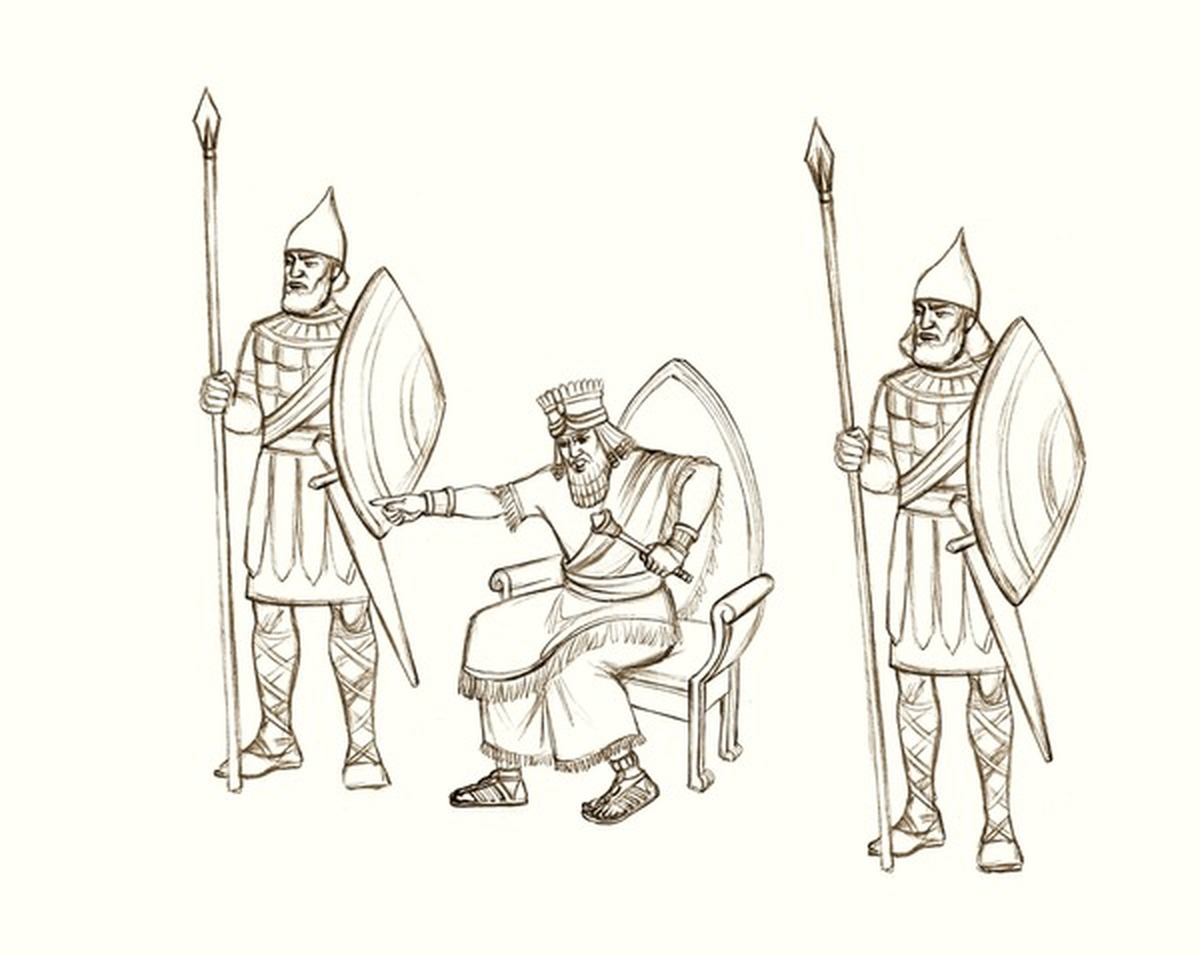
For the emerging nation, still making their way into freedom, the reality was exceptionally different. Their ancestors suffered under 400+ years of bandage, and none of those making their way to the Land of Promise had lived outside of oppressive structures. Most had been enslaved. YHWH’s words were intended to essentials the nature of their (new) relationship.
Self-Check
– Has God ever rescued you from unhealthy relationships, potential or actual danger, untenable situations, or just the ‘reality’ of sin?
– How do you relate to the concept of God (YHWH) as Rescuer?
Application
Being in bondage affects the psyche of an individual, and it can result in generational trauma. We’ve probably heard of Stockholm Syndrome, where the oppressed maintains an unhealthy affection for the oppressor (usually in hostage or trafficking situations). God’s instructions could be seen as a rebuttal to the inclination towards Stockholm, or just as a reminder to the Children of Israel to stay focused on their Lord and God. Some might even think it was swapping one ‘owner’ for another.
Yet, when we look at Stockholm in light of addictions, we see that most persons in recovery still desire the source of their addiction. Part of the control includes offering them a substitute for the action. Otherwise, the craving is likely to overcome them.
In reflecting on our lives, we might be better able to think of our addictions, things we are/have been attached to, with limited self-control. A pastor once suggested that anything before which we constantly bow has the potential to be our god. That includes addictions as well as the effect of oppressive systems, structures, and people’s on our psyche. Whether we’ve survived literal enslavement, oppression, or are bound by little vices; God is the One Who sets us free from such.
We have the power, the authorization to walk away from any lingering affection toward every oppressive situation we’ve faced by looking instead to God.
This first commandment is an invitation for us, therefore, to focus on the One Who is able to keep us from faltering. Is it time to replace our idols (gods) with the God Who lovingly created us and rescues us from all kinds of danger?
Assignment
– Let’s invite YHWH to remind us of past gods and take time to thank God for rescuing us.
– If we find that we’re still suffering from Stockholm Syndrome, let’s ask our gracious God, through Y’shua, in the power of God’s Spirit to free us from those chains right now.
—
May all we seek be found in Christ