July 2026
Nougat 1

Are you familiar with the expression, ‘Nearer to church, further from God’? It refers to persons who fail to be deeply connected to God, despite their positions of authority. That phrase could easily have been used to describe the religious leaders of Peter’s day. Unfortunately, we also see such ‘spiritual dullness’ among leaders in our current contexts. In such instances, faith leaders seem to have forgotten the basic rules of discernment. Consider Today’s Holy Nougat .
.
Acts 4:7 CEVDCI
[7] They brought in Peter and John and made them stand in the middle while they questioned them. They asked, “By what power and in whose name have you done this?”
Whose Authority?
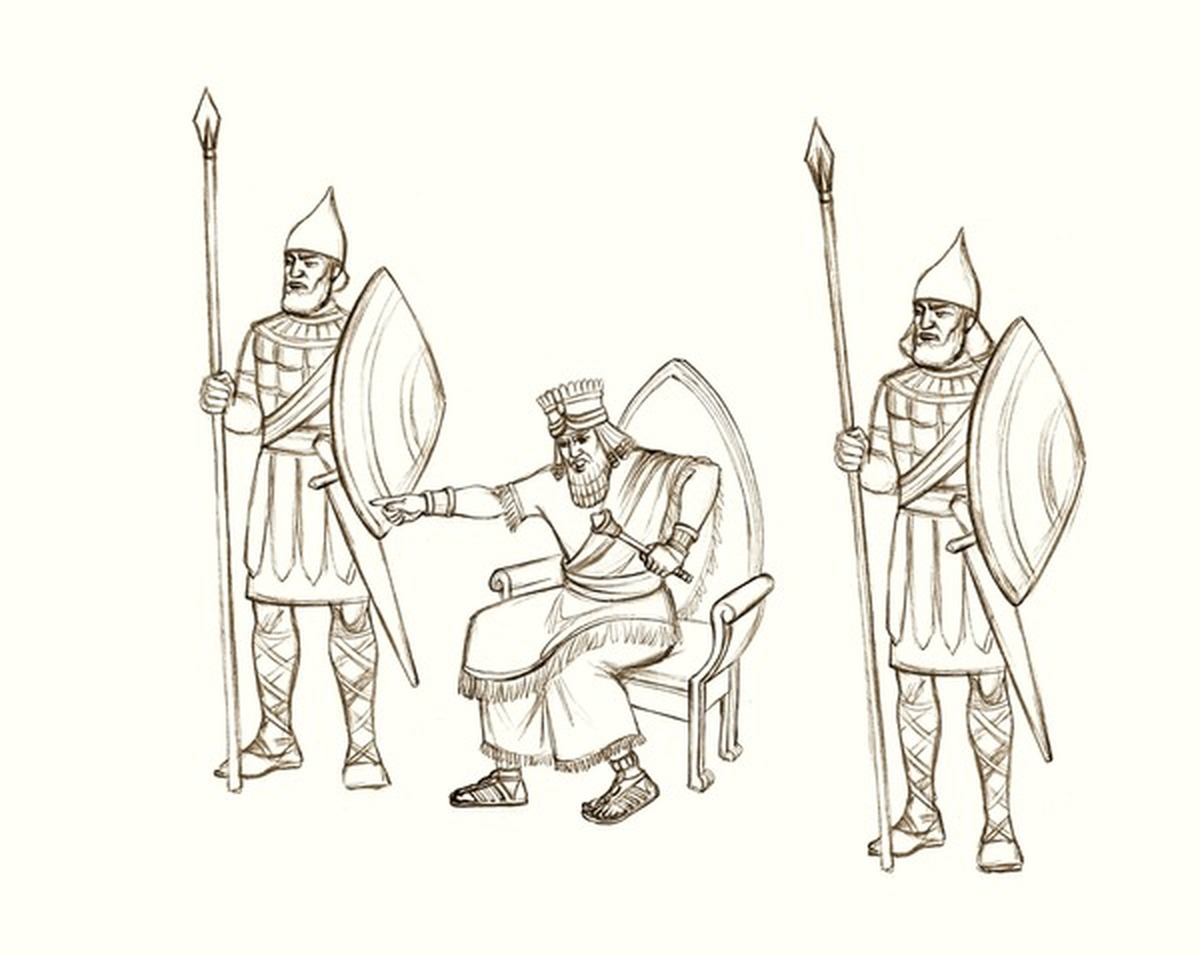
It almost seems like a bad religious joke. You know the one – ‘how many people from a faith background does it take to change a light bulb?’ In the previous verse, we’re told that the Chief Priest, his relatives, and at least 3 other prominent religious leaders gathered to adjudicate over Peter and John’s crime. Based on their first question, their concern was about authority.
It might have been funny if we didn’t recall that at least two of those leaders present oversaw Y’shua’s trial and crucifixion. They were the kind to eliminate threats to their authority by fair means or foul. And it seems Peter and John threatened their authority. Unfortunately, those men represented the religious leadership of the time. Few would stand up to them. Their actions were not often questioned.
Self-Check
How willing are we to stand against those who abuse their power and authority at work, studies, church or in our state?
Deeper Dive
Later in the narrative, Luke reveals that the religious leaders eventually recognised Peter and John as Jesus’ disciples. In that moment however, what they probably saw was two upstarts threatening the foundation of their membership. Five thousand members defecting to another faith – rather, another expression of the Jewish faith – was a legitimate cause for concern or a bit more than mere curiosity.
This tells us that the issue wasn’t their concern about the actions of Peter and John. The Bereans were applauded for their diligence in discerning whether Paul’s teachings aligned with God’s Word in Acts 17:10-15. And the High Priest would use the Urim and Thummim (light and perfection respectively) located on the ephod in discernment. They had lots of precedent for seeking God’s Spirit (face) in situations requiring discernment.
Why then, would they question Peter and John before consulting with the One Whom they claimed that they represented?
More critically, the question points to us. Why do we jump to conclusions before consulting God’s Spirit for answers that demand discernment?
You see siblings, it’s easy to see the misguidedness of religious leaders. And we ought to. We must hold them accountable for their actions. But, can we see similar patterns in our own approach to faith? We succumb to fear, doubt, negativity, or happily align with other religious beliefs without first consulting God.
That approach guarantees disaster. Our failure to check in with God often results in us acting outside of God’s will. Before asking for someone’s qualifications or authority, or aligning worth or against them, let’s ensure that we seek God’s guidance. God is all the discernment we need.
Point to Ponder
What are the issues before us that demand us discerning God’s wisdom before proceeding with plans at this time?
—
May all we seek be found in Christ