So we’re called to pay our bills, no matter what. In principle, that sounds good, and we covered a bit of the practical, but what does that truly encompass? Consider Today’s Holy Nougat.
Romans 13:7 NIV
[7] Give to everyone what you owe them: If you owe taxes, pay taxes; if revenue, then revenue; if respect, then respect; if honour, then honour.
Pay our Bills 2: Taxes
Very few people like to pay taxes. Even in welfare states, we find that hatred of taxation is very real. These days, it is not uncommon to hear of celebrities and role models being charged for tax evasion and/or fraud. It is that serious.
The term phoros is rooted in the Greek term for ‘load’, as in a burden carried; particularly a tax on property or one’s personal assets. It is the same term used by Y’shua Jesus in reference to Caesar. Moreover, the Hebrew equivalent includes tributes, levies, and forced/conscripted labour for public works.
So what is so bad about taxes, and why are we, as believers, obliged to pay taxes?
Self-Check
How are we with paying our taxes? Do we consider it part of our spiritual witness?
Application
It is worth knowing that taxes were also known as ‘tribute’. Under that nomenclature, it perhaps best explains the original intent of taxes. Tributes, in that sense, referred to payments made by a lesser’s recognition of the stronger/greater person’s authority and capacity to provide and protect. This included physical infrastructure, military and judicial services, as well as public works. Thus, whatever was collected would supplement the reserves of the powerful as they increased their wealth while protecting their human and social property.
In Ancient Rome, as in many places now, a heavier tax burden was placed on the poor than on the wealthy. I guess it was justified by the idea that the poor need more protection and provision than the rich, who would have had the means to care for themselves.
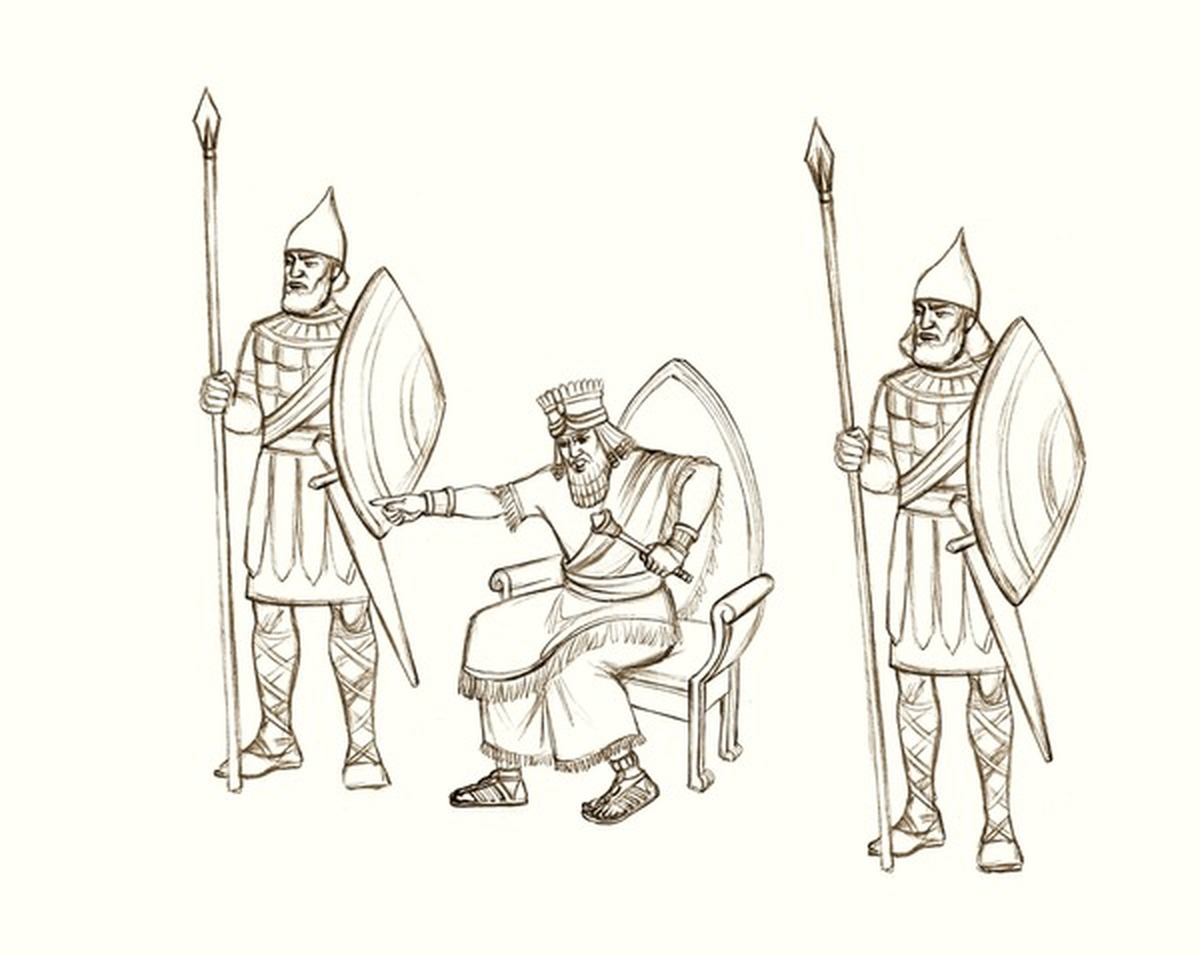
At some point, there was also a religious link to taxation. There was a sense that providing taxes to the ruler of a country ensued protection by the gods of said country. This may seem far-fetched now; but in an era where leaders were considered demi-gods, it was normative. A call, therefore, for paying ‘tribute’ to Caesar was, in part, suggesting that Caesar was more powerful a god than the God of the Israelites. For the taxed was always subject to the tax-collector.
When new converts, particularly new Roman converts, declared Y’shua as Lord, they were naming Him as their sovereign, and, by extension, greater than Caesar. If Y’shua was their stronger, greater power; it stands to reason that they would rather pay taxes (tithes, temple taxes) to Y’shua. This would be particularly appealing to the poor, conscripted class, who were burdened by the Roman tax system.
What Paul wished believers to realize, however, is that we presently live on earth and are subject to earthly authorities. He was basically reiterating Y’shua’s comment … ‘render to Caesar what is Caesar’s and unto God, what is God’s.’ (See Matthew 22:15-22; Mark 12:13-17; Luke 20:20-26, where Y’shua took a stand on taxation).
Taxation is still a political issue. Not much has changed in relation to the public view and the purpose of taxes. The way taxes are calculated has – to some extent shifted. Many countries have publicly raised the threshold for higher taxation of the wealthy (my predictive spelling typed ‘stealthy’), although we often hear of tax breaks and pay offs.
If taxation results in the wealthier offering better access to services for the poor, with solid infrastructure in place, it is laudable. Until then, we recognize that we live and work in a broken world, hence we give to Caesar, ensure our taxes are paid, and seek to improve the welfare of our neighbour.
Point to Ponder
How do we reconcile our tithing, taxes, and ‘sacrificial giving’ in our own financial plans?
—
May all we seek be found in Christ