Have you ever been face-to-face with shame? Whether it was that you were caught in a wrong that attracted lots of public interest, or – worse yet – you became embroiled in someone else’s wrongs, shame is not an enjoyable experience. In fact, many societies as well as some religions use shame as a way to keep constituents in line. What if there were a way to escape the burden of shame, so that we could live outside of that possibility? Consider Today’s Holy Nougat.
Psalms 34:5 NIV
[5] Those who look to him are radiant; their faces are never covered with shame.
A Shame-free Life
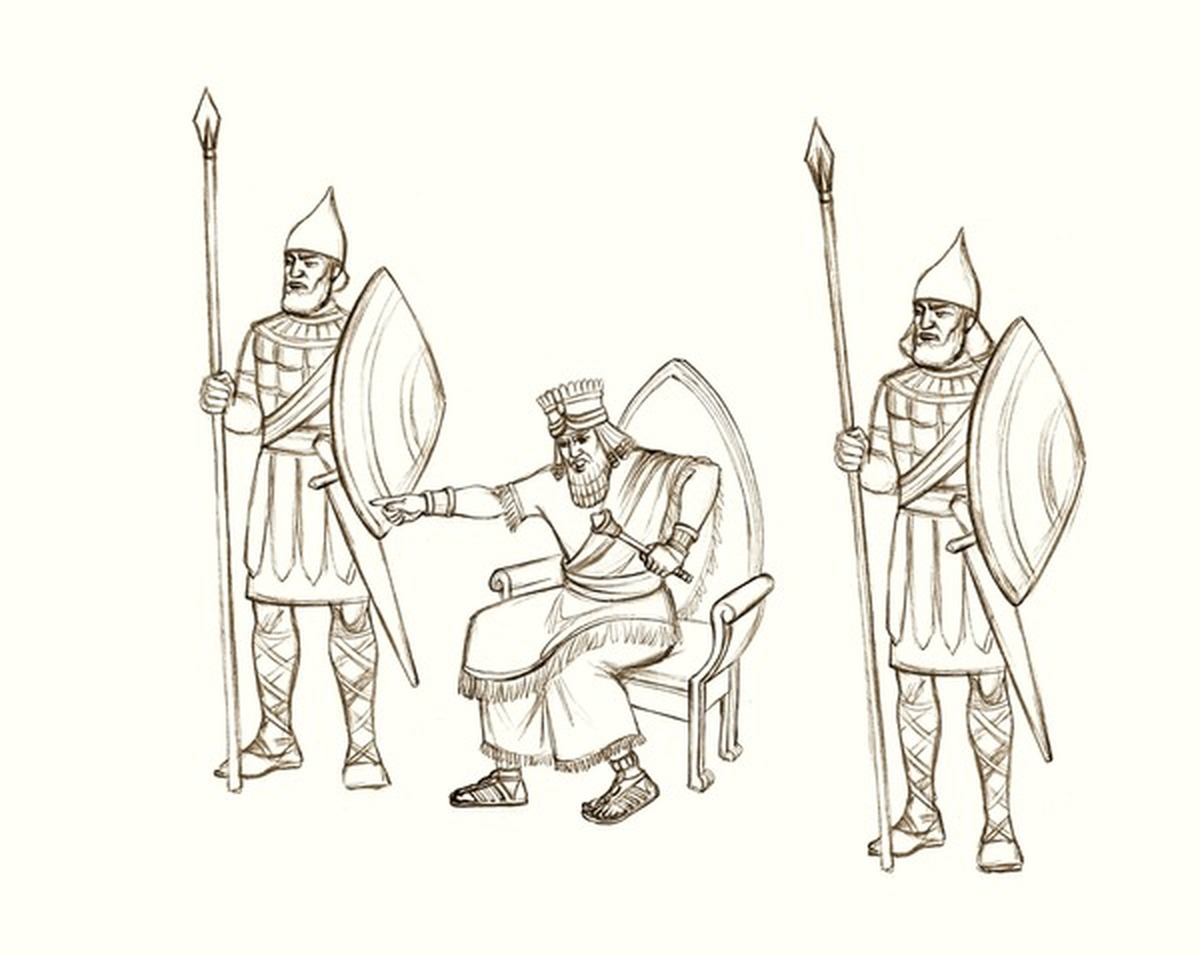
Then, as with now – honour systems were part and parcel of one’s personal identity and social standing. Management of such is usually accrued through strict rules on one’s interpersonal interactions, cultural responsibilities, and of course, religion. The book of Deuteronomy has several verses punctuated by the phrase, ‘and so remove the evil from your midst’. These texts were all related to community offences that could result in shame for a family as well as the individual. The penalty for shame in those days therefore could include the death of the individual or the family. David’s assertion about the removal of shame was very radical for his day.
Point to Ponder
How readily would we have survived in the honour-shame systems of David’s time?
Digging Deeper
David’s psalm spoke to more than just personal honour or shame. His encounter with Abimelek could have impinged on Israel’s honour because of the prior defeat of the Philistines. Just think, in the name of Israel and Israel’s God, David killed Goliath and defeated the entire Philistine army. Yet, the same David now needed refuge with the Philistines from the same king of Israel, Saul. It wouldn’t have looked good for David (being scared of his king), it didn’t put Saul in an honourable light, and it certainly didn’t look good for David’s God.
But siblings, let us understand and accept this truth:
Our God will never ever be anyone’s laughing stock.
David’s point of celebration assures us that God’s sense of honour will not allow us to be ashamed in situations where we are living according to God’s will. God will intervene in our life situations to ensure that God is not mocked. Psalm 25 reminds us that we can cry to God in times of adversity, ‘don’t allow me to be ashamed or my enemies to triumph …’. Looking to God therefore, is not only about reading Scripture, but also covers our crying out to God in our distress, with the pure, childlike expectation that God will deliver.
In John 11, both Mary and Martha expected the miracle. Thus, when Y’shua seemed to fail them, it must have cut deeply. Can we imagine their joy when Y’shua came through for them after Lazarus’ body would have begun to deteriorate? Eh! What jubilation that must have been. What about the newlyweds in John 2, who faced major embarrassment when they ran out of wine at their wedding reception? But, Y’shua intervened, and removed their shame – because of Mary’s intercession. This means we can also look to God on someone else’s behalf.
A final, quick thought. Radiance is primarily about reflecting light or heat. In the process, the light and heat are spread – rather, shared – to others. Could we, as carriers of God’s light and heat also spread honour rather than shame?
Self-Check
Is there much scope for our lives to radiate God’s grace to those who face shame and dishonour? If so, let’s start radiating God’s grace today.
—
May all we seek be found in Christ