When we make a request known to God, do we have expectations on the way God will provide? Moreover, does God’s provision match our expectations? These are two things to bear in mind as we consider Today’s Holy Nougat.
Exodus 16:13-15 CEVDCI
[13] That evening a lot of quails came and landed everywhere in the camp, and the next morning dew covered the ground.
[14] After the dew had gone, the desert was covered with thin flakes that looked like frost.
[15] The people had never seen anything like this, and they started asking each other, “What is it?” Moses answered, “This is the bread that the Lord has given you to eat.
God’s Provision
Siblings,
Evening came.
As promised, quails landed in the camp – seemingly out of nowhere. It was as if God said, ‘Let there be’, for we had no prior reference to quails in their wandering. Although not stated directly, we can surmise that there was enough meat for everyone. There were no complaints.
With the provision of meat, I suspect the Children of Israel felt confident that the new day would bring bread. As day follows night, they should have expected the bread to appear in the morning.
Self-Check
How confident are we that God’s provision will come as requested and promised?
Application
Morning cane.
There was dew on the ground. Not bread.
It seemed YHWH forgot them!
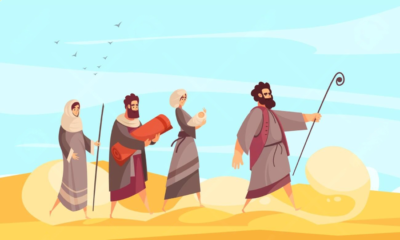
Except before the dew had fully dried up, the Children of Israel discovered something on the ground that hadn’t been there in their month-long travels. The frost-looking flakes were new to them. They didn’t know what it was not what to do with it.
Moses explained that it was the bread YHWH promised. God had provided bread in the most unorthodox way! It was nothing like their expectations. They had seen that thick frost before, so they most likely didn’t know how to prepare or eat it.
Siblings, how often has God surprised us with the way our prayer requests are answered? How do we react?
By asking Moses what the frosty item was, the Children of Israel seemed to have tacitly reinstated him as their leader. With that action, they also acknowledged God’s supernatural provision. When we discover that our expectations or our confessions of God’s God-ness are faulty, we must acknowledge our wrong and restore right relations with God and God’s chosen.
We also see from their question that God is not averse to our questions. What may get us into trouble is the way (the wording, or the tone) in which we speak to God. Y’shua was clear on our approach to God. In His conversation with the Samaritan woman, an outsider by Jewish standards, He stated, ‘God is Spirit, and those who worship God must worship in spirit and in truth’ (see John 4:24). He was unequivocal – there was zero room for doubt or negotiation of terms.
While we can ask what it means to worship in spirit and truth, it is obvious that there are protocols to be observed in our communicating with God. Moreover, we see from Y’shua’s opened to the woman that God desires a positive relationship with us all.
Above all siblings, our Nougat makes it very clear that God did not renege on God’s promises. God came through with all God promised to provide.
Point to Ponder
As we reflect on our lives, can we see where God:
A) made promises to us directly or collectively
B) abundantly provided for our needs – even if it was in unexpected ways?
How do we respond, and what does it teach us about God’s capacity to provide for us?
—
May all we seek be found in Christ