Siblings
We are preparing to close our reflections on Christ’s birth. Thus, let us revisit some pertinent details about His birth and the implications for our lives. For example, we can examine the difference between where Joseph lived and where Y’shua was born. Consider Today’s Holy Nougat.
Luke 2:1, 3-4 AMP
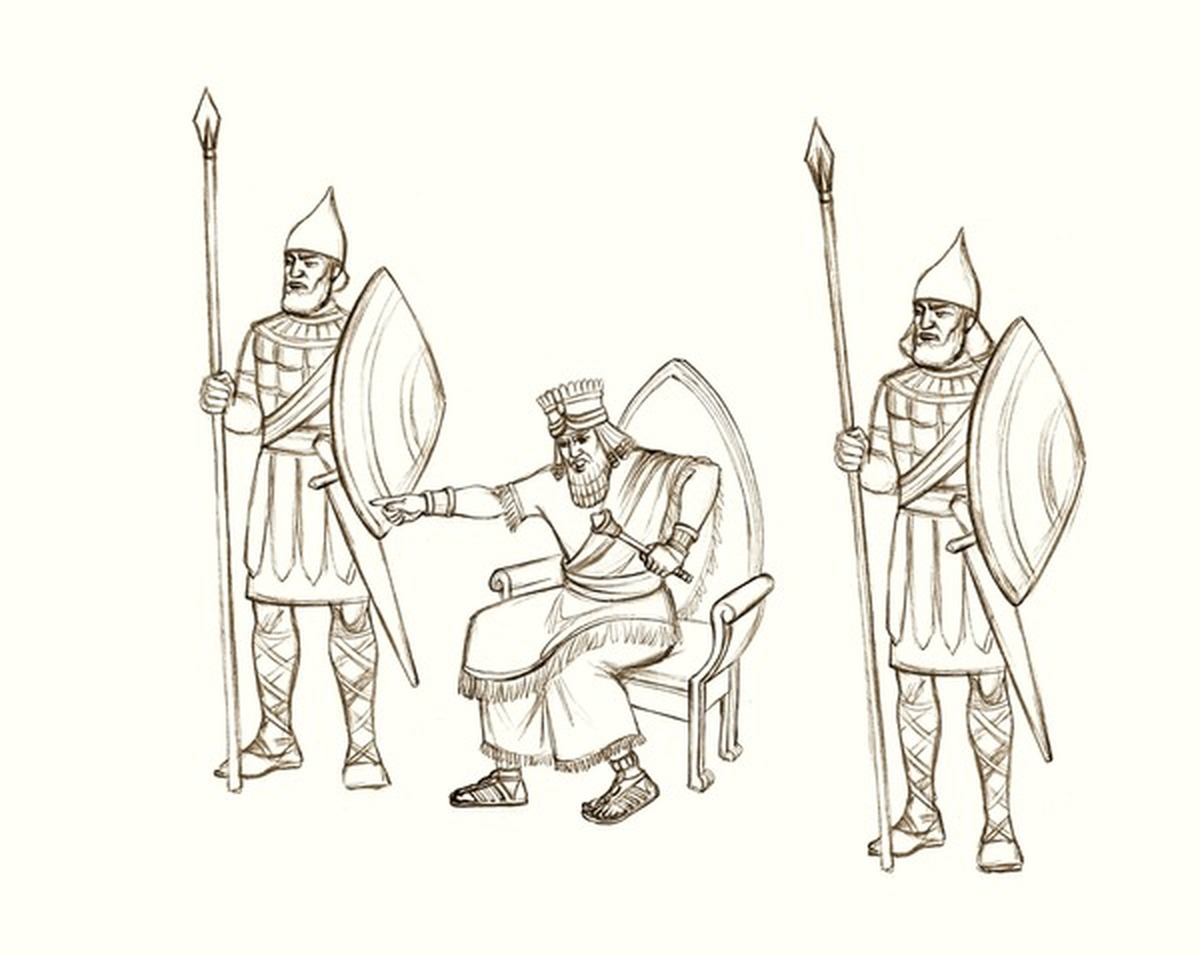
[1] Now in those days a decree went out from [the emperor] Caesar Augustus, that all the inhabited world (the Roman Empire) should be registered [in a census].
[3] And everyone went to register for the census, each to his own city. [4] So Joseph also went up from Galilee, from the city of Nazareth, to Judea, to the city of David which is called Bethlehem, because he was of the house and family of David,
*Moved by [con]Census*
Siblings, I’ve checked with uncle Google: the walking distance between Nazareth city to Bethlehem city is somewhere between 70 and 90 miles (ie., 110 -145 km). There were no planes, trains, buses, or cars available. Even if they had access to a donkey, it was a multi-day journey. Why would God allow Mary to face that potentially treacherous journey, after she’d already spent the first trimester up in the hill country of Judea? Wasn’t Mary God’s chosen? And if Judea was near Bethlehem, it was much simpler for Mary to stay with Elizabeth.
Self-Check
Have we placed limits on our obedience to God?
Deeper Dive
If we consider that Elizabeth and Mary were both in God’s redemptive plan for humanity, then it seems reasonable that they should meet. Elizabeth wasn’t at her youngest age for child-bearing, she had an at-risk pregnancy. Although Luke 1 presents the facts, it is nuanced to suggest that Elizabeth was uncomfortable with being in public. Some 21st century women have opted to avoid public pregnancy announcements after having miscarriages or being barren for a while. We also know that in many instances, at-risk mothers are strongly encouraged to be on bed-rest for the duration of their pregnancy.
So if Elizabeth at ~90 wasn’t fit to travel down to the coastal city of Nazareth, it meant Mary had to go to Elizabeth. That was very convenient for Mary, who – though not ashamed of her pregnancy – needed to avoid the crowds. I suspect that was the very reason for leaving Elizabeth’s back to Nazareth. Once John was born, the crowd at Zechariah and Elizabeth would have been a no-go for Mary.
Hence the double journey. Because, the census was the vehicle for the fulfilment of prophecy regarding Y’shua’s birth (see Micah 5:2). So without realizing it, Cesar Augustus’ call for a census was aligned to God’s plans. We see that Cesar’s census plan was in consensus with God’s redemption plan. Timing was everything!
I’m sure you see where this train of thought is going. If, for one moment, you started thinking about how the long journey to Bethlehem connects to our lives, you are right on track. Because, we realize that God not only set Cesar up as the Roman ruler at the time, God also ensured that Mary didn’t go into early labour while they travelled. She was heavily pregnant, but the baby was born only after the manger was secured.
God’s timing is excellent – God is never late.
God’s plan is perfect, as all details are in alignment.
Remember that God’s plan prevailed during the Exile. That experience led to Jeremiah’s prophecy of God’s plans for the exiles (see Jeremiah 27:1-11). God hasn’t changed, God’s got a plan for us. Just as how God ensured that even the act of increased taxation worked to facilitate Jesus’ birth in Bethlehem (and confirm Micah’s prophecy), God has a perfect plan for each of us. There’s consensus in the census.
So, the next time we face an unexpected twist in our plans, let’s remember that it is God Who orders our steps.
Point to Ponder
Reread Luke 2:1-20 and Jeremiah 27:1-11. Consider the various details God aligned to consensus. Praise God for the details God aligned for our blessing.
—
May all we seek be found in Christ