Psalm 1:3 has yielded interesting insights on the nature of the one who intentionally seeks God’s ways. Our study spoke to patience, rootedness, and the capacity to yield healthy fruit. This quest continues with reflection on prosperity as we consider Today’s Holy Nougat.
Psalms 1:3 NIV
[3] That person is like a tree planted by streams of water, which yields its fruit in season and whose leaf does not wither— whatever they do prospers.
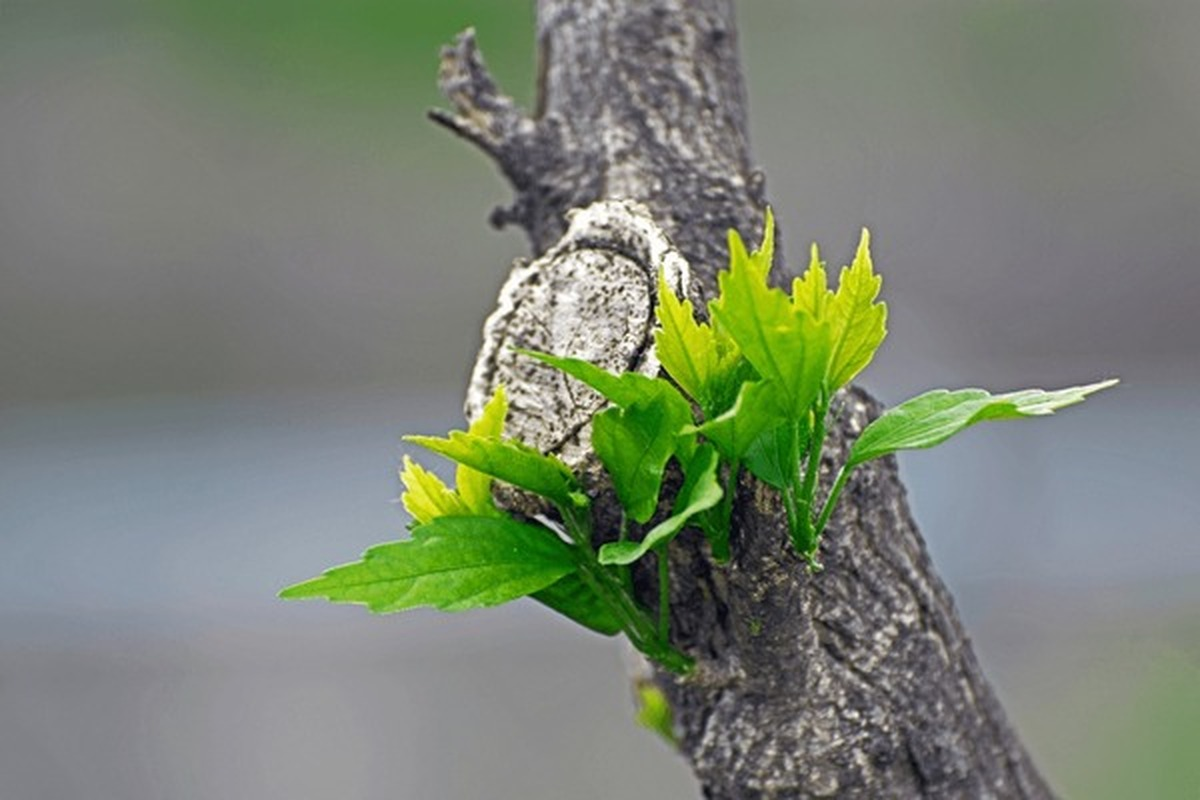
They are like Fruitful Trees 3
In reading the Nougat, I couldn’t help but think that the approach of the ‘Prosperity Gospel’ which teaches that God blesses the righteous when they give financially to the church is misleading. A careful reading of our Nougat reveals that prosperity isn’t necessarily about financial overflow. It is not really about material assets either. Rather, the psalmist sees prosperity as the capacity to excel in any given field.
Self-Check
Phrased differently, our Nougat asks us to take stock of our stewardship. In that regard, we must ask ourselves are we giving our best to God at all times?
Digging Deeper
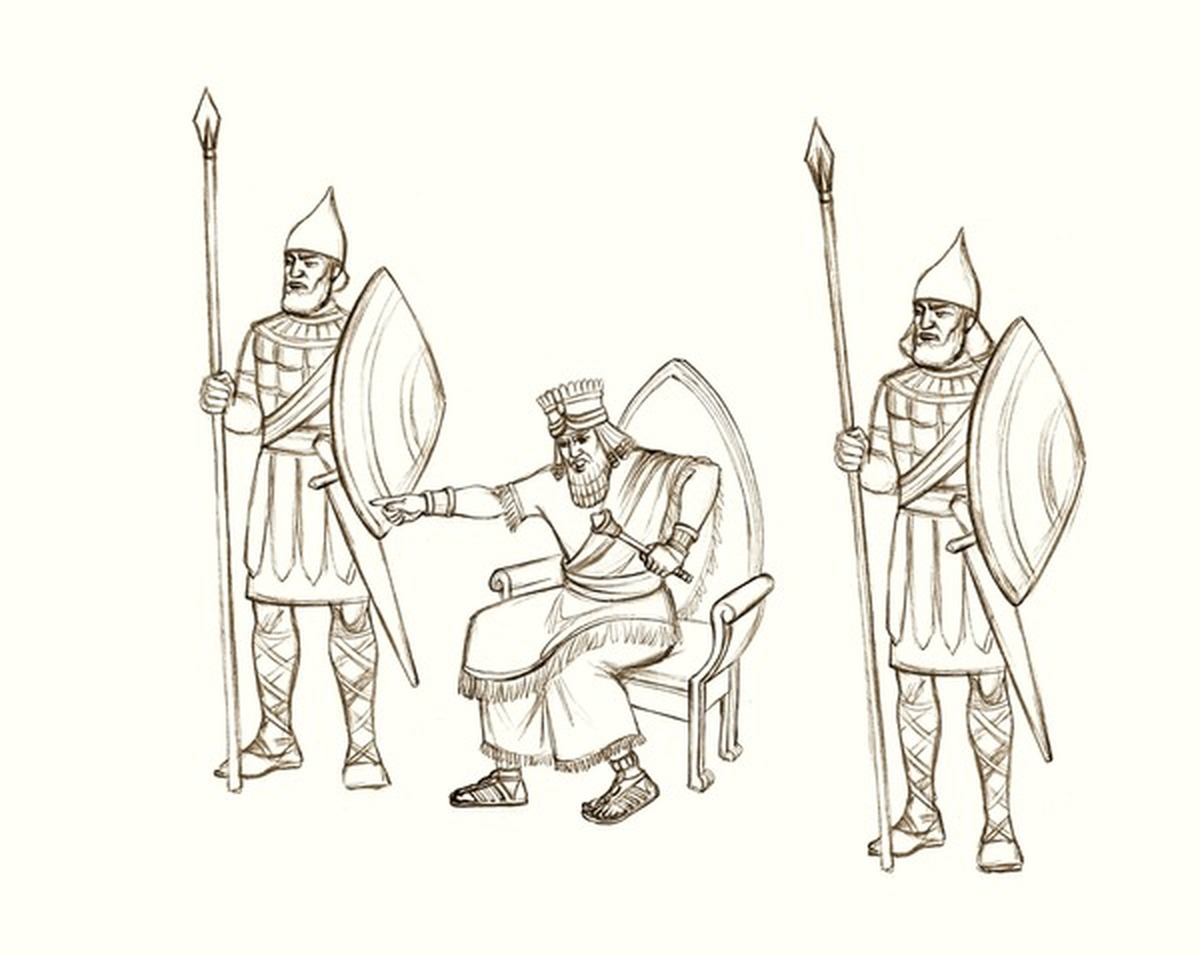
In Hebrew, tsaleach is a verb that speaks to being profitable, or more contemporarily, adding value. This begs the question siblings, ‘Do we add value to the contexts where we’re placed?’ Our blessing is not just for our benefit. In Genesis 12, God’s call to Abram included the explicit proposal of blessings. Yet even as YHWH promised to bless Abram, he was told that he would be a blessing to others. We also note that the best woodworkers in Israel and Tyre were assigned to the building of the temple in 1 Kings 5.
Note that Solomon wasn’t called by God to physically build the temple. He commissioned its construction. For all his great wisdom, woodwork was not Solomon’s strong suit. In our pursuit of righteousness, as we are planted by rivers of waters in the desert, or by flood-prone areas, God expects the best from us. God does not call us to mediocrity!
Whatever means exactly that, every and any thing we do. It does not specifically relate to intellect, dexterity, creativity, athletics, or craftsmanship. So, whatever our specialty, God requires that we offer the best of us wherever we are. That’s what got Eli in trouble with God. He may have been a good parent, but spiritually he failed at fathering his boys. Subsequently, his priestly duties suffered. Neither Eli nor Israel benefited from that costly decision.
Now this isn’t to suggest that God will not allow us to prosper when we use our talents. Remember Abram. God’s promise in Genesis 12:2-3 was that Abram would be blessed, that he would bless others and that others would bless him. In other words, ‘our gifts will make room for us’ (see Proverbs 18:16). When we focus solely on the receiving, we can easily lose sight of God’s Why.
As seekers of God’s righteousness, we are crafted for fruitfulness. No one, including us I’m sure, enjoys bad fruit. When we are comfortable with mediocrity, it suggests that we have either lost our delight in God’s Law, or that we have failed to personalise it (see Psalm 1:2). Otherwise, it could be that we’re still immature in the faith – our season has not yet come.
This invites us to take a long look in the mirror of our lives and take stock of our faith.
Points to Ponder
And so we ask ourselves
Where are we planted?
What are we called to do/be?
What’s the quality of our fruit
Are we blessing others?
Selah
—
May all we seek be found in Christ